
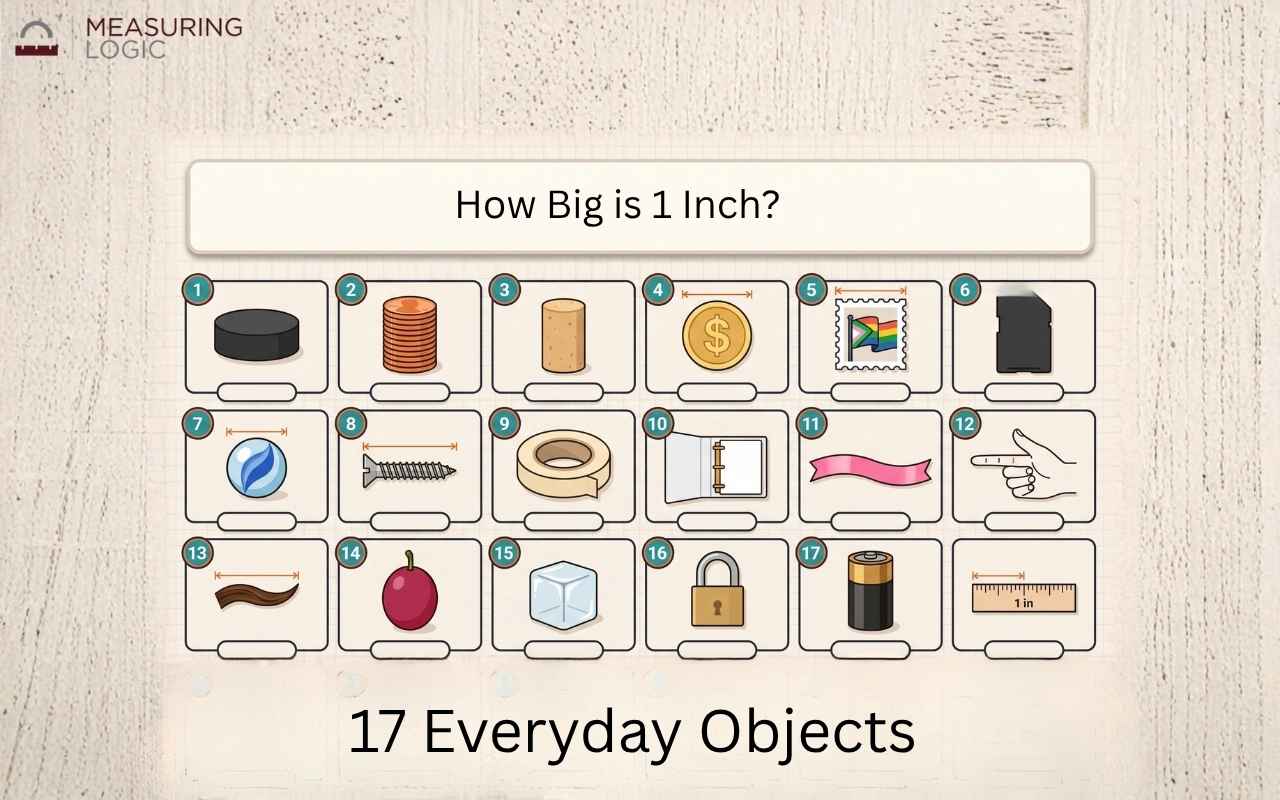
1 inch equals exactly 25.4 millimeters and that may be the technical answer to ‘how big is 1 inch?’, but numbers on a screen rarely help when you’re standing in a craft store or hardware aisle.
So this guide pairs 1 inch objects you can grab right now with their real measurements and You will also see how far each one drifts from a true inch, because honest size references beat vague guesses.
1 Inch at a Glance: What Is One Inch in Every Unit?
If you’ve wondered what is 1 inch or how much is 1 inch in other units, this table has you covered.
| Unit | Value in 1 inch |
|---|---|
| one inch to mm | 25.4 mm (exact) |
| one inch to cm | 2.54 cm (exact) |
| one inch to meters | 0.0254 m |
| one inch to feet | 1/12 ft (about 0.0833 ft) |
| one inch to yards | 1/36 yd (about 0.0278 yd) |
| Points (print) | 72 pt |
| Picas | 6 pc |
| Mils | 1,000 mils |
| CSS pixels | 96 px |
Quick answer: 1 inch = 2.54 centimeters = 25.4 millimeters. This is the exact legal definition, not a rounded estimate.
The United States and other English-speaking countries fixed this value in the 1959 international yard and pound agreement. You can read more about how standards work at NIST.
Where the Inch Comes From
The word inch traces back to the Latin uncia, which means “one twelfth.” That makes sense because an inch is one twelfth of a foot.
Early definitions were wonderfully rough. An English statute from 1324 described the inch as three barleycorns laid end to end. In many languages, the word for inch also links to the thumb. French pouce is a good example.
However, relying on “a thumb’s width” simply didn’t work for international trade. Consequently, the 1959 agreement eliminated the minor discrepancies between countries and today, 1 inch means the exact same thing everywhere.
What Does 1 Inch Look Like? 17 Everyday Objects as Size References
Here’s your cheat sheet. Some objects are manufactured to strict standards. Others vary a bit from one item to the next. The table shows both.
| Everyday object | Typical size | Difference from 1 in |
|---|---|---|
| Regulation hockey puck (thickness) | 1.000 in | Exact |
| 1 inch screw (length) | 1.000 in | Exact |
| Binder rings (1-inch binder) | 1.0 in ring diameter | Exact by label |
| Stack of 17 pennies | about 1.017 in | +1.7% |
| Cocktail ice cube (standard 1-inch mold) | about 1 in | Close |
| Inch-wide ribbon | about 1 in (25 mm) | Close |
| C battery (diameter) | 1.031 in (26.2 mm) | +3.1% |
| Dollar coin (diameter) | 1.043 in (26.49 mm) | +4.3% |
| Standard wine cork (diameter) | about 0.945 in (24 mm) | −5.5% |
| SD memory card (width) | about 0.945 in (24 mm) | −5.5% |
| Masking tape (“1 inch” size) | often about 0.94 in (24 mm) | about −6% |
| Shooter marble | up to about 1 in | Varies |
| Forever stamp (one side) | roughly 1 in | Varies by design |
| Small padlock (body width) | roughly 1 in | Varies by model |
| Plump grape (length) | about 0.8 to 1 in | Varies |
| Index finger (tip to first knuckle) | roughly 1 in | Varies by person |
| 1 inch of hair | about 2 months of growth | Varies |
Now let’s walk through each one.
Hockey Puck: The Cleanest 1 Inch Object

A regulation hockey puck is a perfect inch measurement tool. The NHL sets its hockey puck thickness at exactly 1 inch. Its diameter is 3 inches, and it weighs about 6 ounces.
Because the rule is so strict, you can trust it. Check the league’s rulebook at NHL.com if you’d like to confirm and just keep in mind that novelty or practice pucks don’t always follow the same standard.
A Stack of Pennies: A Handy Thickness Test

One US penny is 1.52 mm thick, so stacking 17 of them gives you about 25.84 mm.
That equates to roughly 1.017 inches—an impressively close match you can make without any tools. (Sixteen pennies, on the other hand, fall just short at about 0.957 inches).
Standard Wine Cork: Close but Slightly Under

A standard wine cork measures about 24 mm across and 45 mm long before it goes into the bottle. That puts the cork width near 0.945 inches.
So a cork is a bit smaller than one inch. Even so, it’s a useful visual. Picture a cork standing on its end, and you’re looking at nearly 1 inch across.
US Dollar Coin: One of the Best Coin Width Matches

The dollar coin measures 26.49 mm across which is 1.043 inches and that makes the dollar coin size one of the closest common coin matches to 1 inch across.
By comparison, a quarter measures 24.26 mm (0.955 inches). Coin dimensions come from the US Mint. A dollar coin runs a hair over an inch, while a quarter runs a hair under.
Forever Stamp: A Loose Match
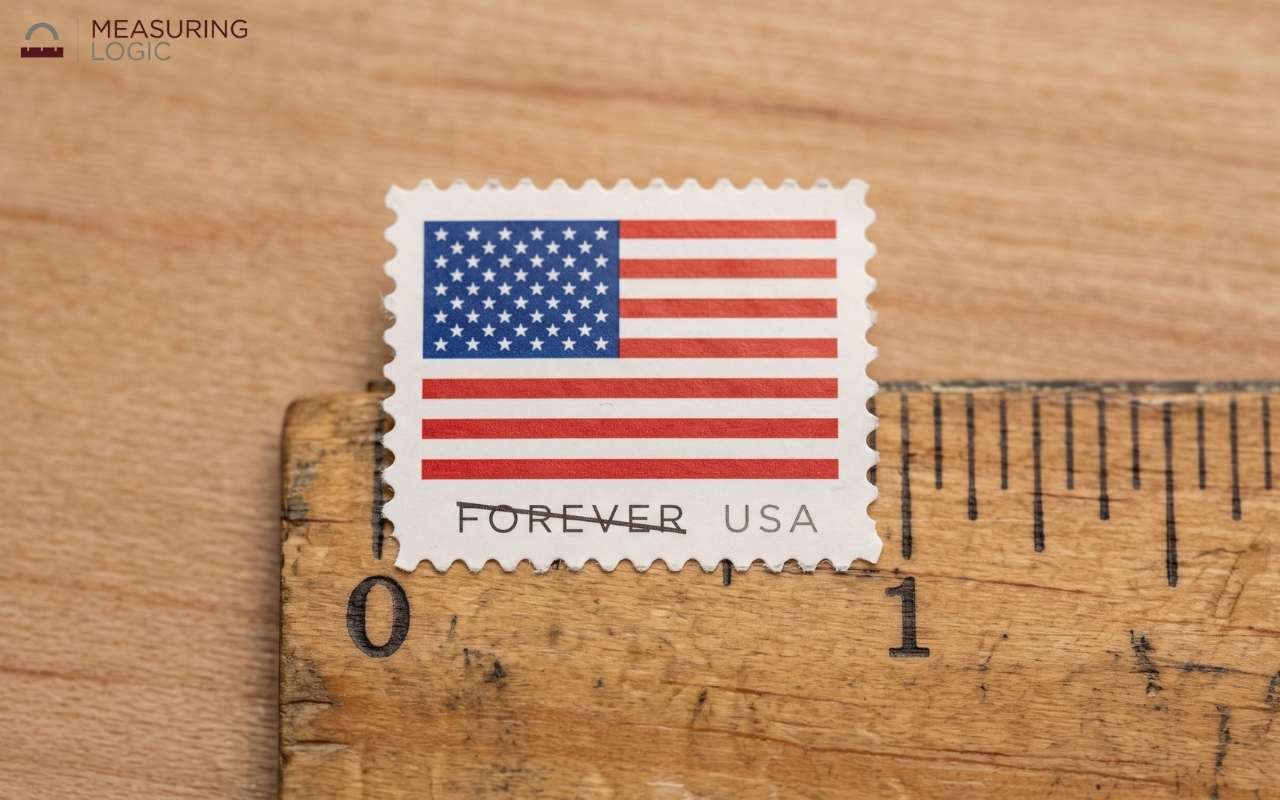
A Forever stamp often measures close to one inch on one side. However, stamp designs come in different shapes. Some are square-ish and others are tall rectangles.
For that reason, treat a stamp as a rough picture and not a precise tool.
SD Memory Card: Slightly Under an Inch Wide

Moving on to tech, a standard SD memory card is 32 mm long and 24 mm wide. Those dimensions put the width at about 0.945 inches.
Just make sure you aren’t looking at a microSD card, which is significantly smaller.
Shooter Marble: A Classic Pocket Reference
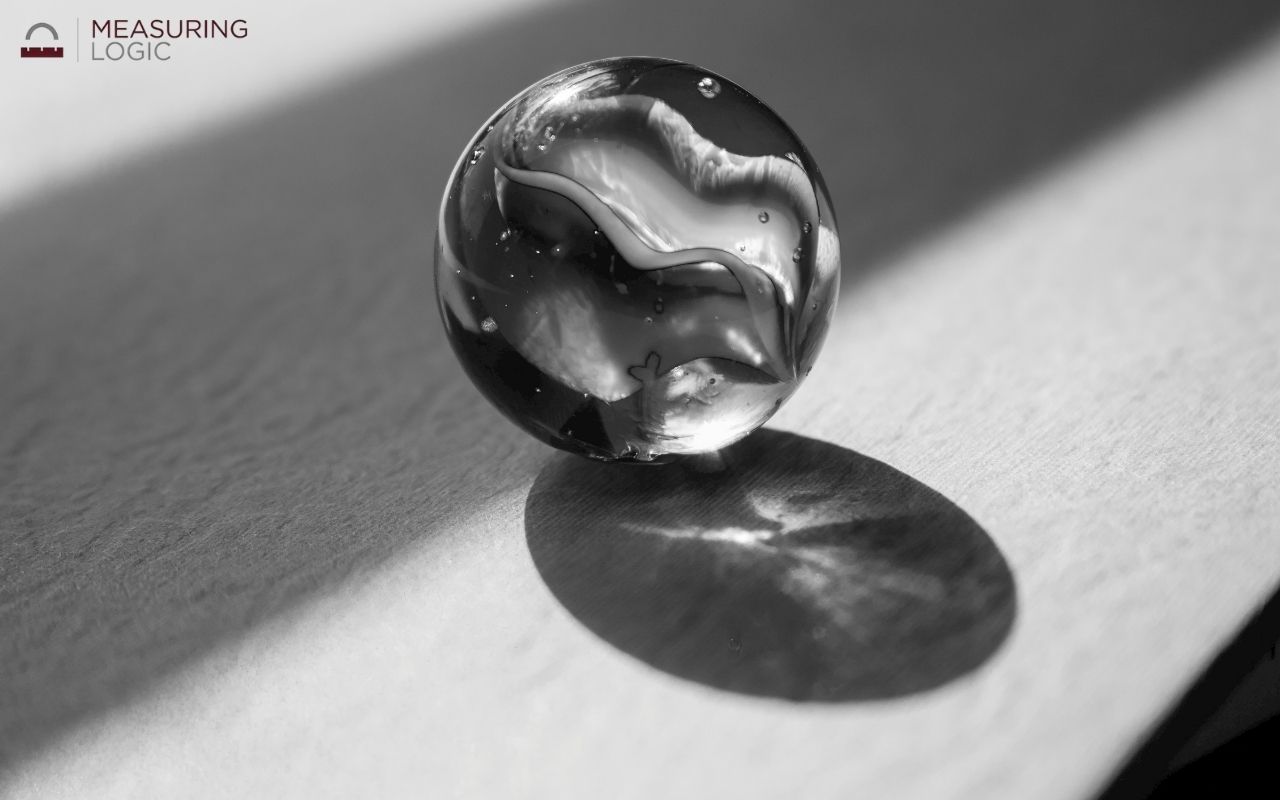
Regular marbles are about 5/8 inch across. A shooter marble is bigger and often approaches one inch wide. Sizes vary by brand, so hold one up to a ruler before using it as a guide.
A 1 Inch Screw: Length Depends on the Head

A one inch screw is one inch long. But here’s the catch. Screw length is measured differently depending on the head type.
- Flat-head screws: measured from the top of the head to the tip.
- Pan-head screws: measured from under the head to the tip.
Therefore, two “1-inch” wood screw options can look different once you drive them in.
Width of Masking Tape

Masking tape labeled “1 inch” often comes in slightly narrower. Many rolls measure about 24 mm, or 0.94 inches. Brands differ, so measure your roll first.
The Rings on a 1-Inch Binder

A 1-inch binder uses binder rings with an inside diameter of one inch. That’s why the binder holds roughly 175 sheets. It’s an easy size reference if you have a binder nearby.
Inch-Wide Ribbon
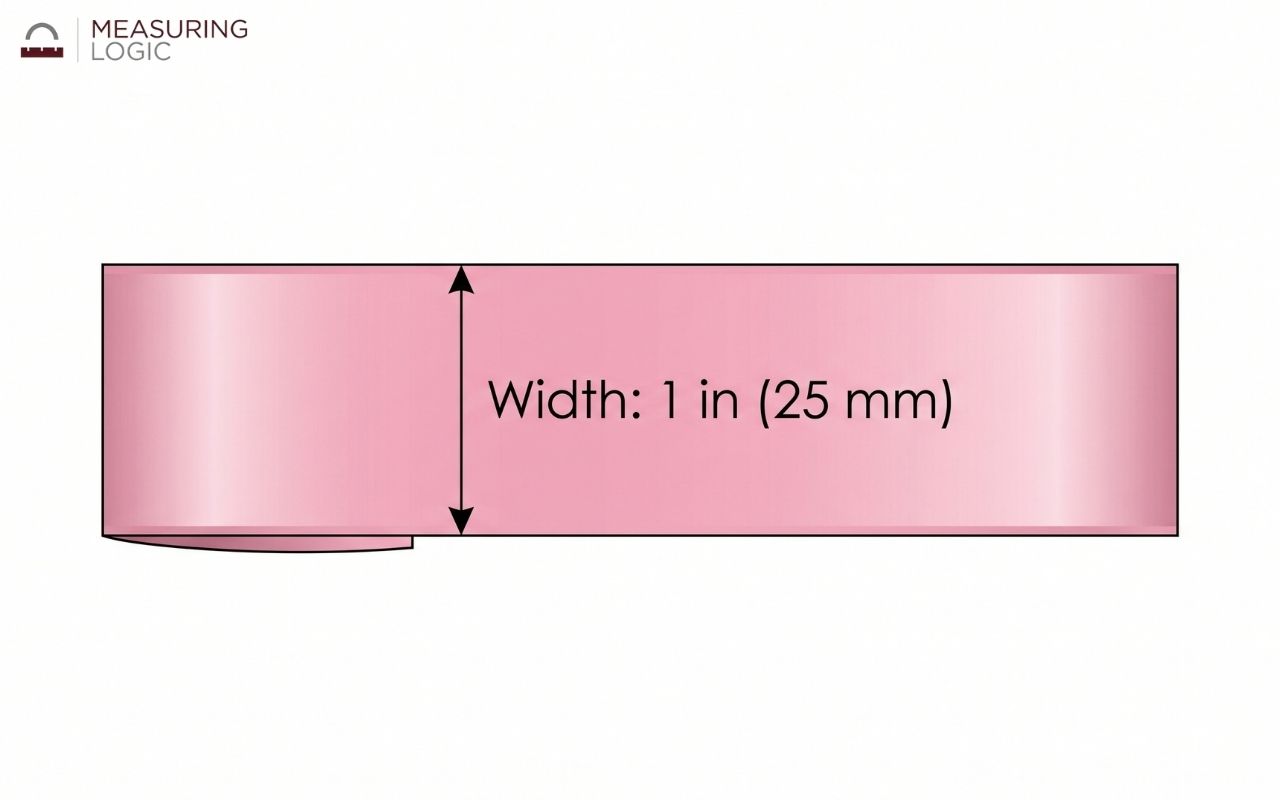
Ribbon sold as “1 inch” is typically 25 mm wide. That’s almost exactly one inch. Craft stores sell it in satin, grosgrain, and more, so it’s easy to find.
Index Finger: Tip to First Knuckle

Your own body can serve as a quick gauge, too.
For many adults, the distance from the tip of the index finger to the first knuckle is roughly one inch and because hands vary, it’s smart to measure yours once against a ruler so you have a personal reference wherever you go.
1 Inch of Hair

Hair grows about half an inch per month on average. So one inch of hair takes roughly two months to grow. That’s about six inches per year.
Keep in mind that hair growth speed varies from person to person. Still, “two months” is a solid rule of thumb for hair length planning.
A Plump Grape

A large table grape runs about 0.8 to 1 inch long. Red globe grapes are among the biggest. Since grapes differ by variety, this one is best for a rough mental picture.
A Cocktail Ice Cube
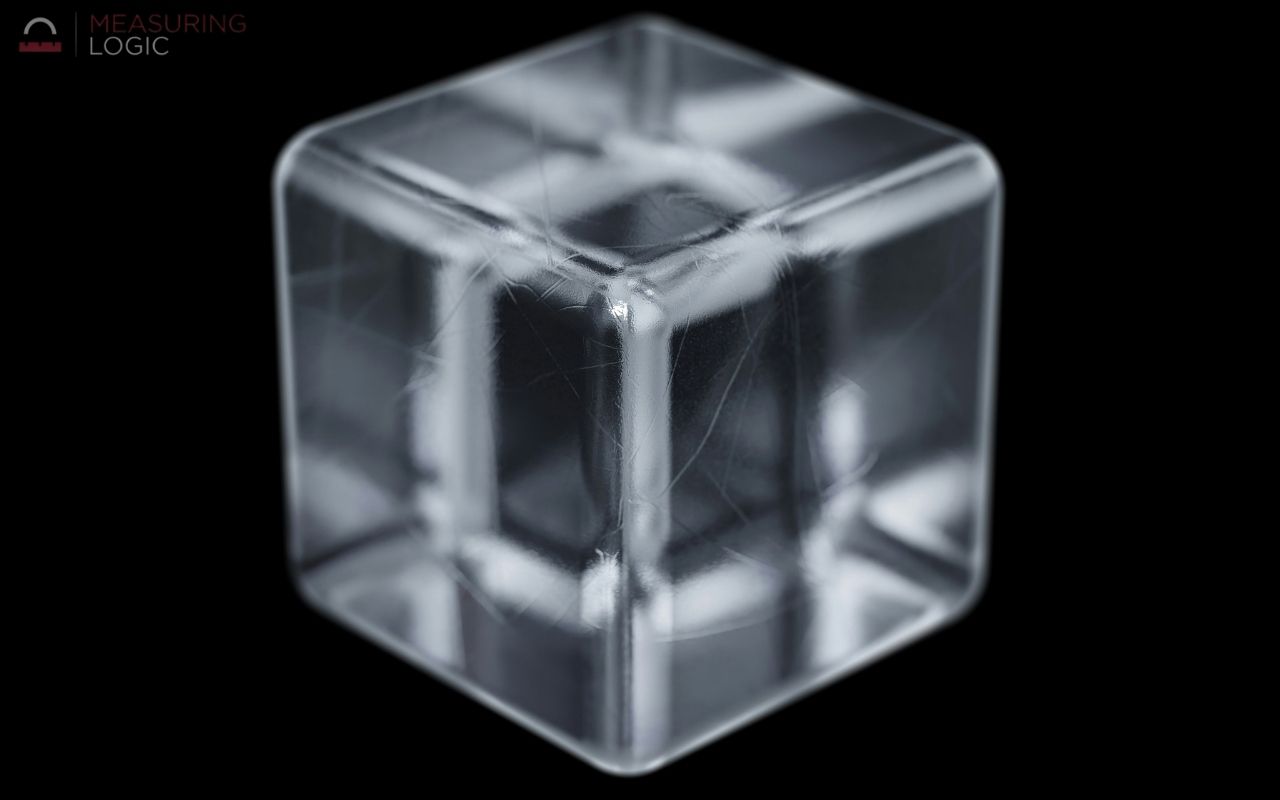
Many 1-inch ice cube molds make cocktail ice cubes that are about an inch on each side. They’re popular in bars because they melt slowly. If you own a standard tray, check the size printed on the package.
A Small Padlock

Compact luggage and locker locks often have bodies that are around one inch wide but sizes vary by maker, though so use a small padlock as a loose guide only.
C Battery
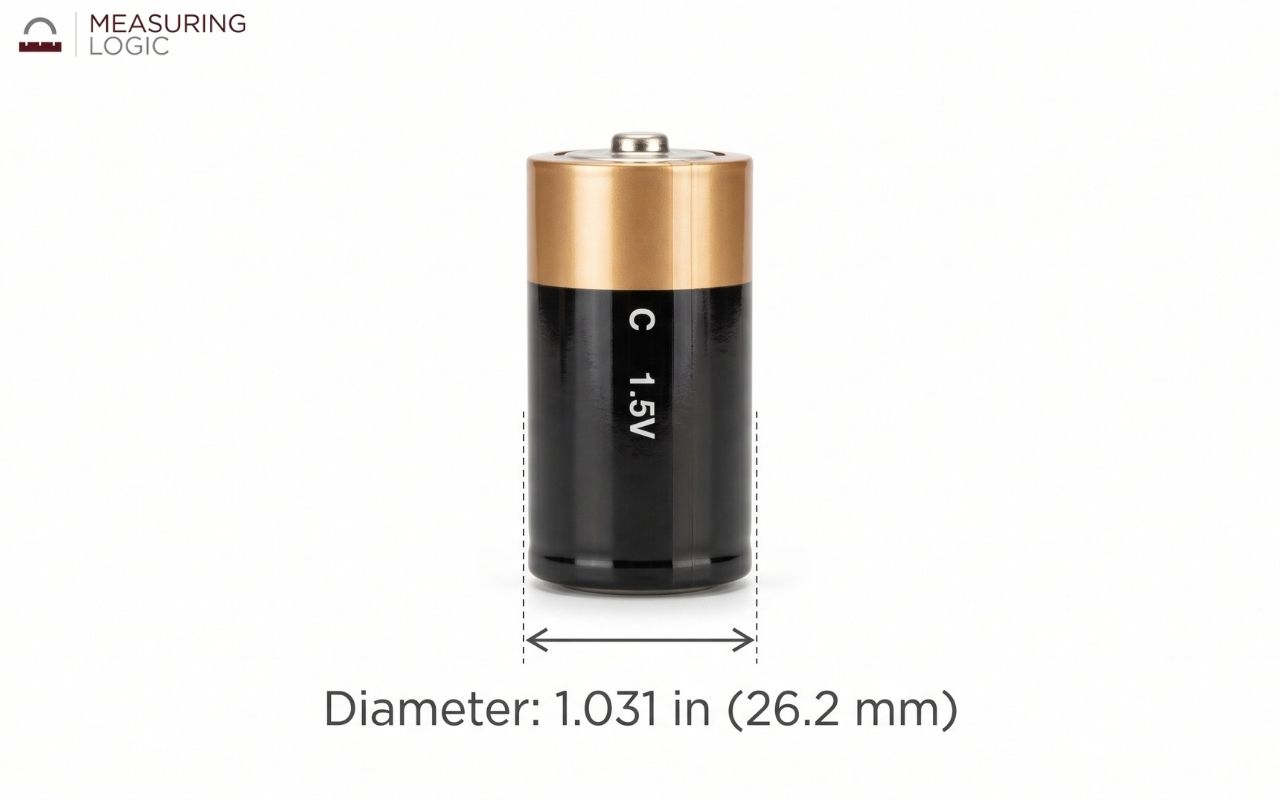
The last object is the C battery. It’s 26.2 mm in diameter, which is 1.031 inches. That’s very close to one inch, and most households have one somewhere.
How to Spot one Inch on a Ruler
Finding one inch on a ruler is simple once you know the pattern. On the imperial edge, the longest line with the number “1” marks the full inch.
Here’s how the inch marks break down:
- 1/2 in: the mid-length line halfway to the 1.
- 1/4 in: the next-shortest lines.
- 1/8 and 1/16 in: the tiniest lines. There are 16 sixteenths in 1 inch.
On the metric edge, an inch lands just past the 25 mm mark, at exactly 25.4 mm.
| Fraction | Decimal |
|---|---|
| 1/16 | 0.0625 |
| 1/8 | 0.125 |
| 1/4 | 0.25 |
| 1/2 | 0.5 |
With that table, ruler measurement gets much faster.
What Does 1 Inch of Rain Mean?
An inch of rain means water depth of one inch across a flat surface. It assumes the water doesn’t run off or soak in. Weather agencies use this standard for rainfall measurement.
Here’s how much water that really is:
- Over 1 square foot: about 0.623 gallons.
- Over 1 acre: about 27,154 gallons.
Snow works differently. A common rule of thumb says 10 inches of snow melts down to about one inch of rain. However, the ratio swings widely. The National Weather Service explains this in detail.
So one inch of rain is a lot more water than it sounds.
LEARN ABOUT COKE CAN DIMENSIONS
How Big Is 1 Inch on a Screen?
On a screen, the answer gets tricky. In CSS, one inch equals 96 pixels. But that’s a unit definition and not a physical size.
A real phone and a real monitor have different pixel densities so as a result, a “1-inch” box looks different on each one.
Print works differently. At 300 DPI, one inch holds 300 pixels. That’s the standard for sharp printed images.
Discover the Fascinating Size of 500 Feet and Why It Matters Compared to Everyday Landmarks
FAQs About 1 Inch
How many centimeters is 1 inch?
Exactly 2.54 cm.
How many millimeters is 1 inch?
Exactly 25.4 mm.
Is a quarter exactly 1 inch?
No. A quarter is 0.955 inches across.
What’s the closest coin to one inch?
The dollar coin at 1.043 inches.
How many pixels is 1 inch?
96 in CSS. Real screens vary.
How much is 1 inch in feet?
About 0.0833 feet, or 1/12 of a foot.
Learn To Picture 2mm In Length Through Fascinating Examples
Keep a Reliable 1 Inch Reference Handy
You now know how big 1 in really is. Better yet, you know which common objects are precise and which are rough.
For fast checks, trust the hockey puck, the screw, the dollar coin, and the penny stack and for quick visuals, use a cork, a grape, or your fingertip. Either way, a ruler has the final word.
Sources
- NIST: inch definition and standards
- US Mint: coin specifications
- NHL: puck rules
- National Weather Service: rainfall and snow ratios
Learn How Big 100 Acres Is (And Why It’s So Fascinating)

Hi, I’m Alice Arthur, the admin behind the Measurements category at Measuring Logic. I research, write, and review accurate measurement guides, unit conversions, and real-world comparisons to ensure every article is clear, reliable, and easy for readers to understand.